


 Hiking
  Sailing
  Fishing
  Cycling
  Visit attractions
 Where there used to be activity from barges and transshipment of goods at Tørvebryggen in Randers, today it is buzzing with activity from kayaks and sups and people enjoying the proximity to nature. The Gudenå River is the soul of Randers, located where the Gudenå River meets Randers Fjord and the fresh becomes salty. Randers has been located here since the early Middle Ages and has been a link between north and south and between inner Jutland and the surrounding world. You can clearly sense the history in Randers’ cozy old streets.
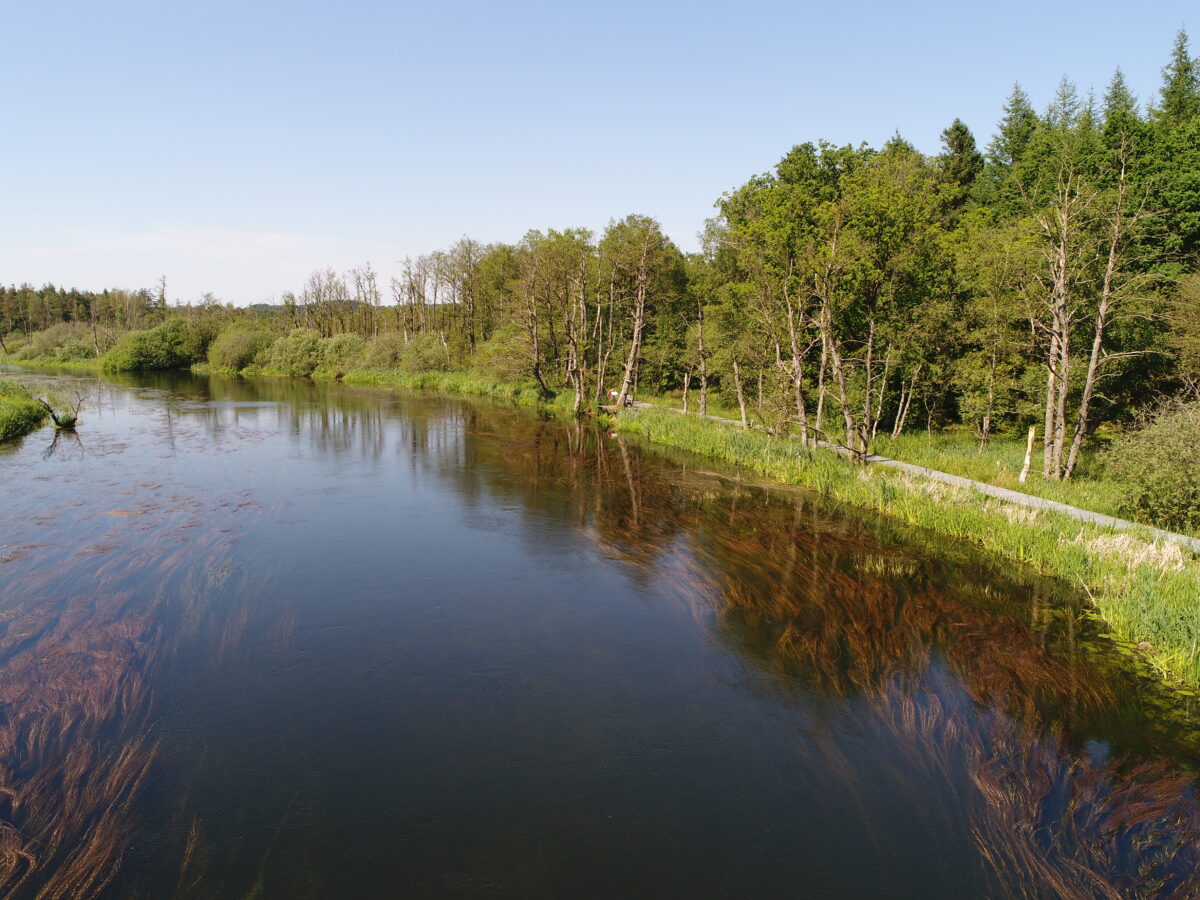
Foto: Claus Moestrup, Favrskov Kommune
Experiences in the land of bargemen
From Silkeborg to Randers, the river Gudenå runs through the landscape of barges, which for hundreds of years was an important waterway and transportation route in Denmark. Experience a world of water through adventurous wilderness, past the country’s largest dammed lake to one of Denmark’s largest inland deltas where Gudenåen becomes Randers Fjord.To the north, salmon leap in historic fishing waters where salmon farms once stood side by side. Anglers stand at the edge of the silvered stream in search of the big catch.Read about barge towns and villages, historic bridges, several of which were sabotaged during wars, one of Northern Europe’s largest shipwrecks, unique birdlife and beautiful nature areas – and get inspired for your next trip to Gudenåen.
Gudenåen - NORD, MIDT og SYD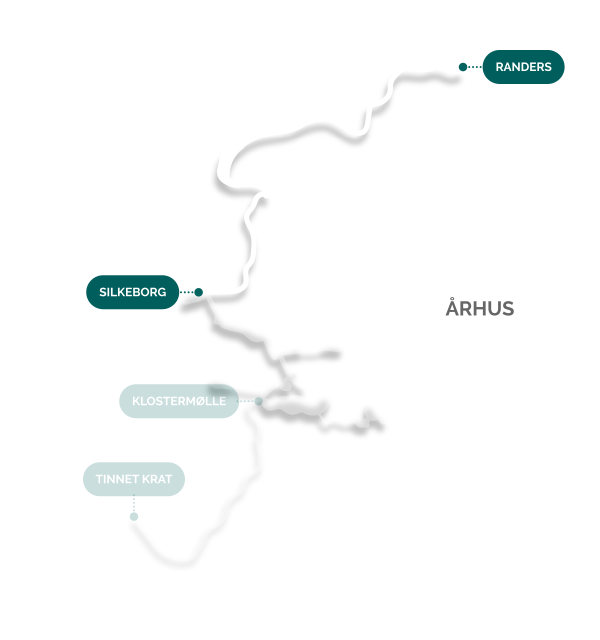
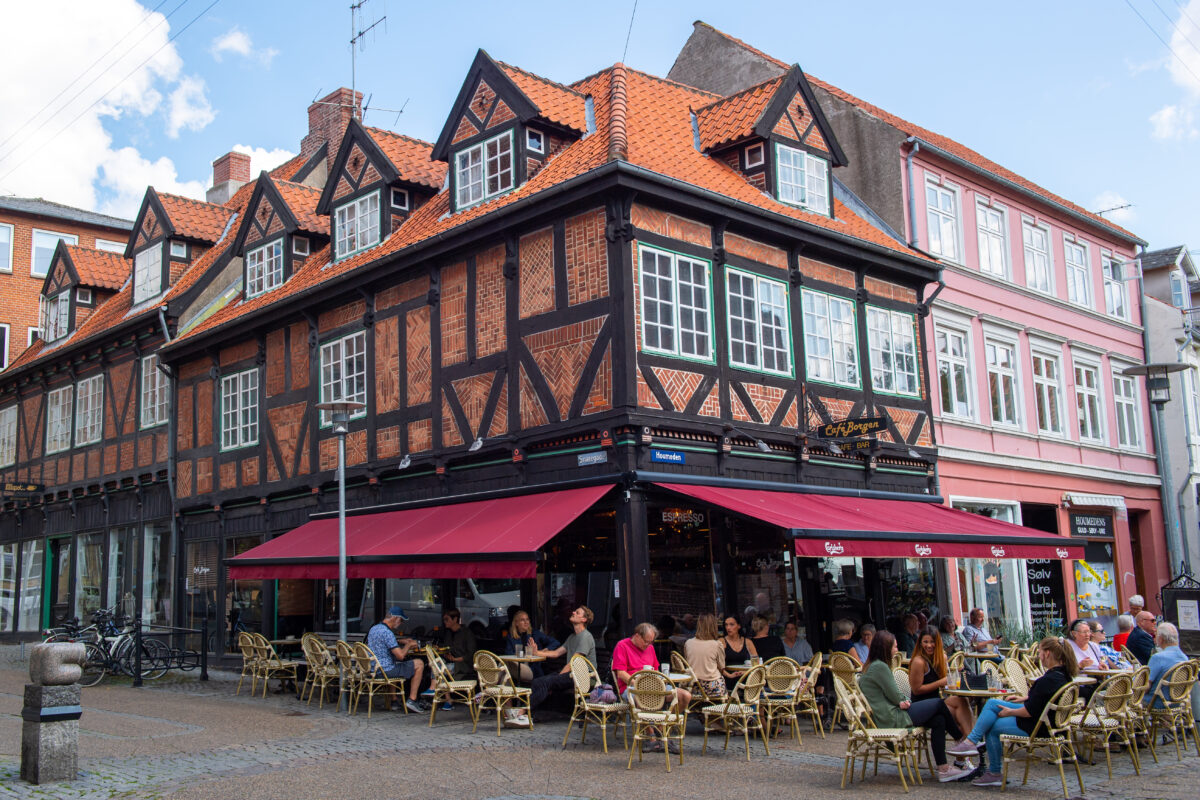
Foto: Jesper Maagaard
Oplev i pramdragernes land
Trækstien - en del af Gudenåstien
Between Randers and Silkeborg runs the old Træksti – or barge trail, as it is also known. Here, the barges pulled goods from the towns of Gudenåen to Randers, where they were exchanged. The place name Tørvebryggen in Randers bears witness to this activity. Today you can follow in the footsteps of the barge dragons and get a unique experience of walking close to the water. Sometimes in the water! The Gudenå River often overflows its banks, so familiarize yourself with the navigability before your trip. Along the way you’ll discover historic bridges and inns, luxurious boardwalks and much more.
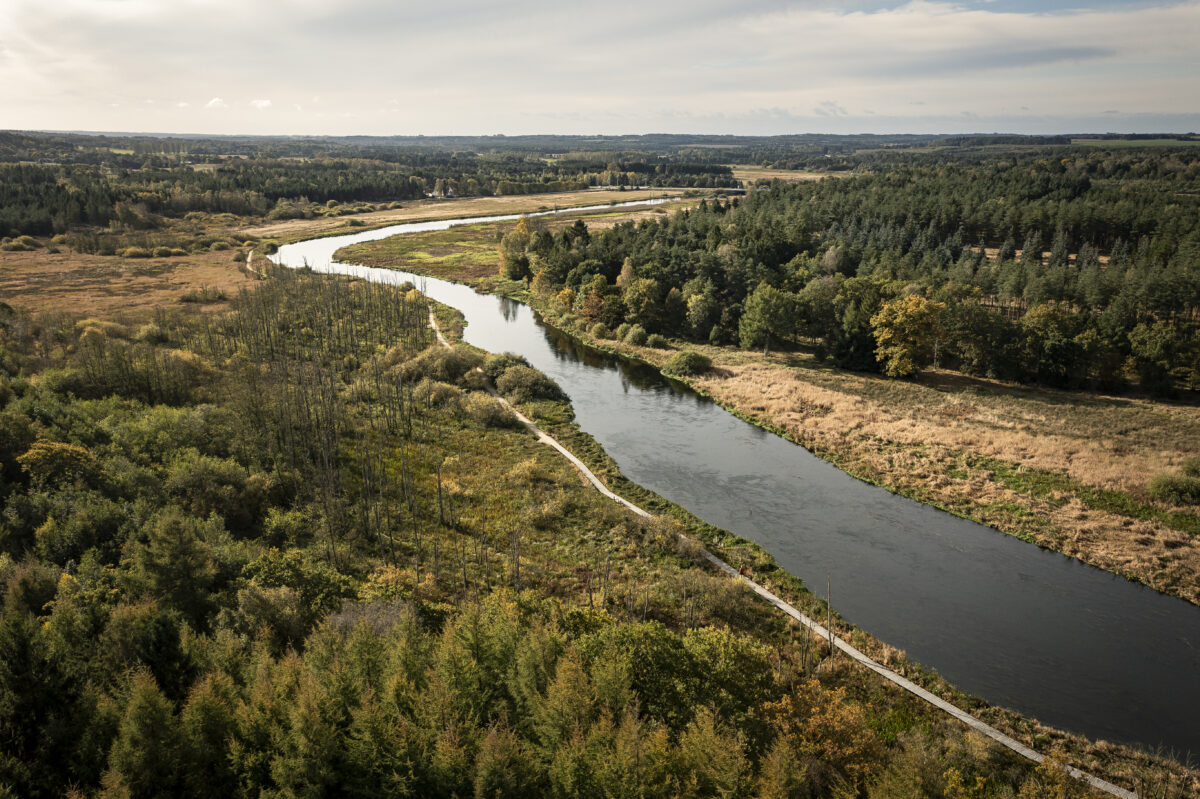
Foto: Roar Paaske
Oplev i pramdragernes land
Gudenåengene
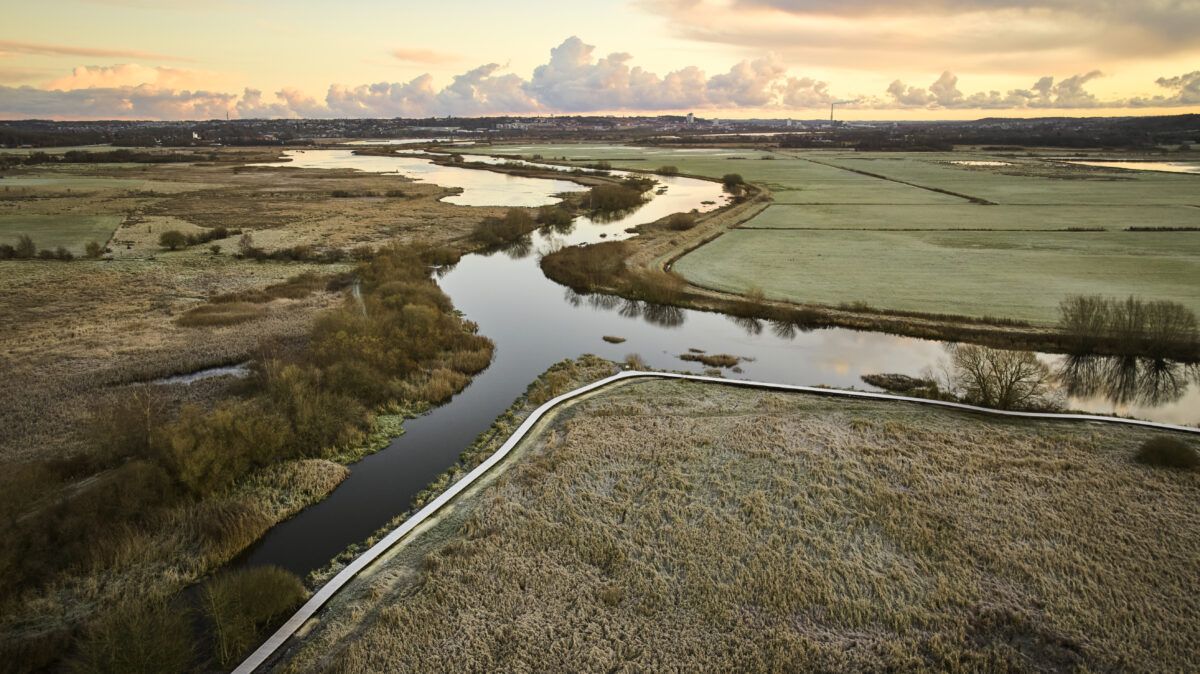
Between Randers and Langå, the Aage V. Jensen Foundation has purchased Hornbæk, Vorup and Væth Enge and restored their natural state. This has created a unique area with a rich bird and plant life and the opportunity to experience it via trails and bird towers.
Oplev i pramdragernes land
Langå Egeskov
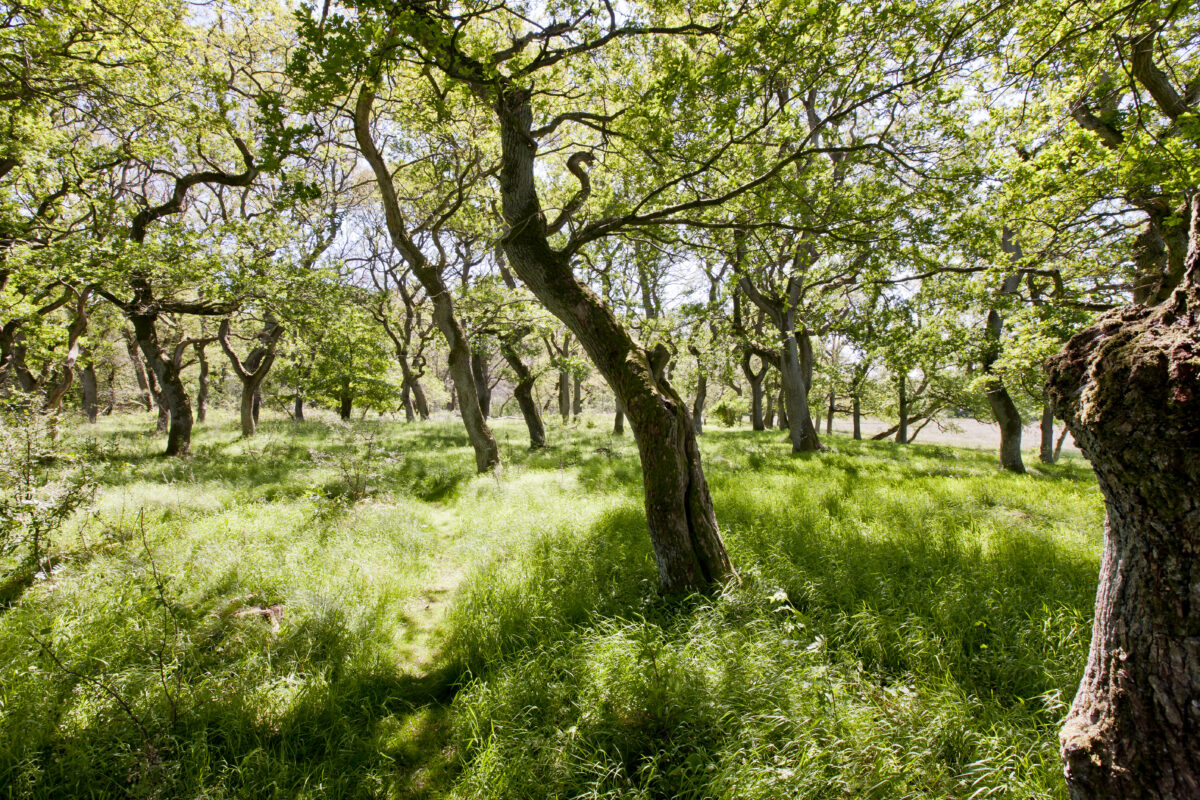
Langå Egeskov is one of the few places in Denmark with cattle grazing as in the old days. Here we find a unique forest image of a crooked, cattle-bitten oak forest that we recognize from the Golden Age paintings. In the days of the land community, before 1800, Langåb farmers’ animals grazed in a common pasture in the summer. Langå Egeskov is one such old, overgrown “outfield”. Today a natural gem right down to the Gudenåen river.
Oplev i pramdragernes land
Busbjerg og Kjællinghøl
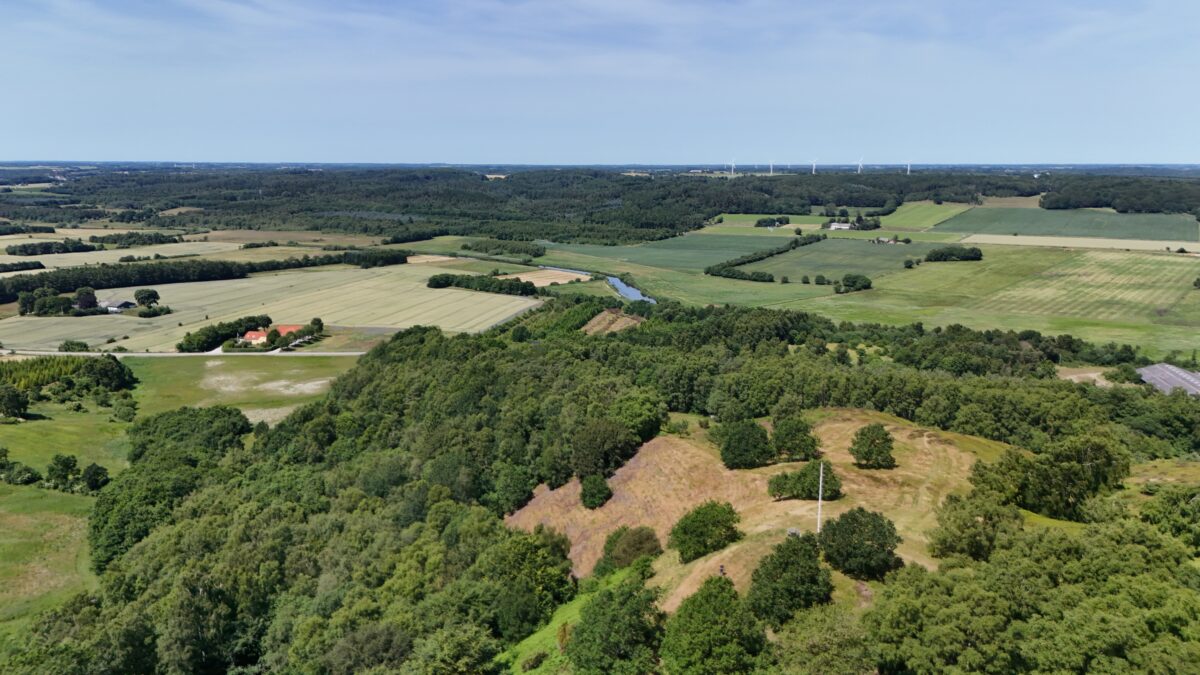
West of Ulstrup lies Busbjerg with a magnificent view of Gudenådalen. In addition, there are several marked trails in the area for hiking. And a little further towards Bjerringbro is Kjællinghøl with a bridge over Gudenåen. Also worth a visit and with several walking options. Find them on the Gudenå map.
Claus Moestrup/Favrskov Kommune
Oplev i pramdragernes land
Gudenåcentralen
West of Bjerringbro is Gudenåcentralen – Denmark’s largest hydropower plant, also known as Tangeværket. The large lake is artificial and is due to the dam that secured water for Tangeværket. At the bottom is Hvilested Inn and 27 farms and houses. The total facility includes Tange Lake, an 800 meter long dam with sluice gates, a 300 meter inlet channel and the hydropower plant itself. The entire facility and the mill are protected.
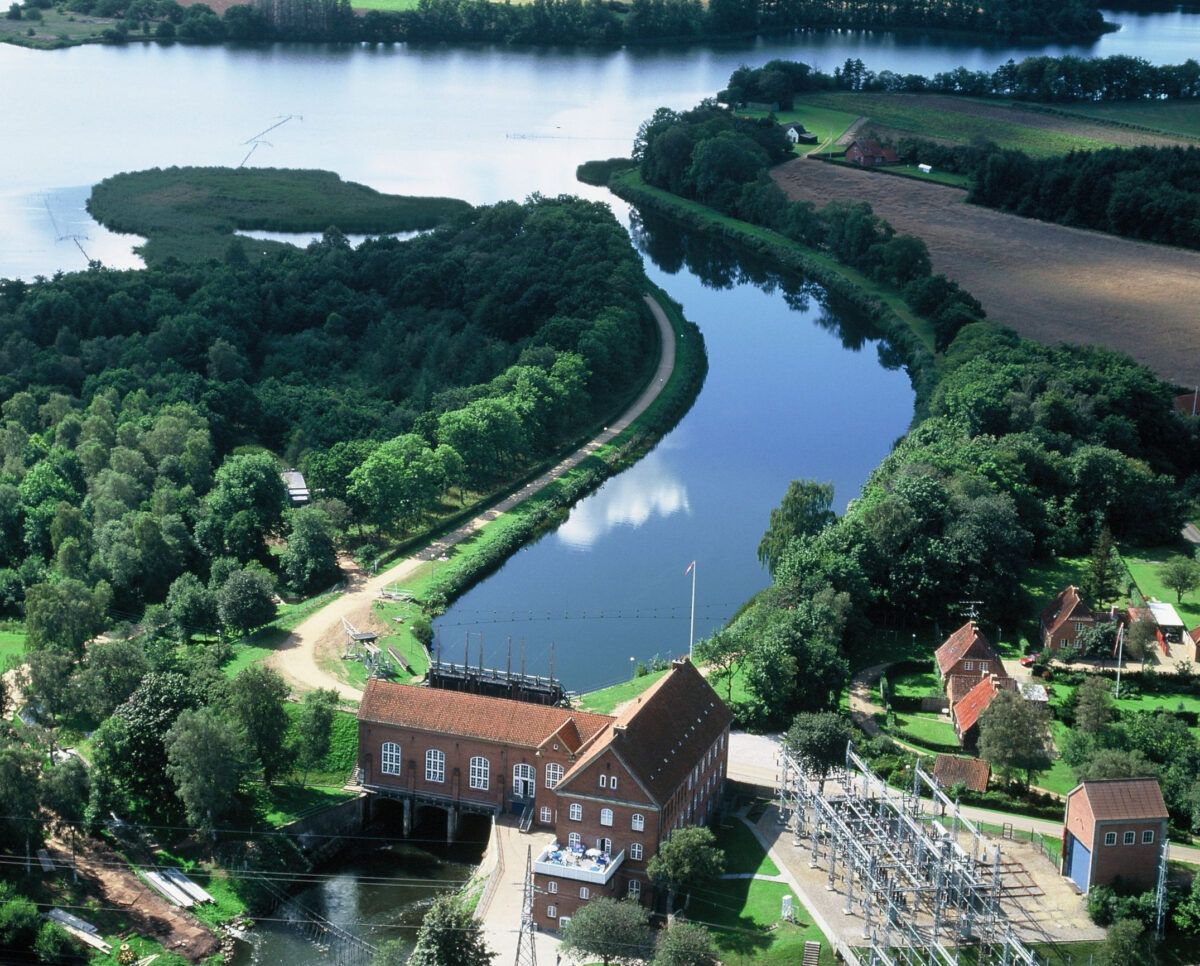
Foto: Gudenåcentralen
Oplev i pramdragernes land
Høj Stene
Moesgaard Museum has reconstructed Høj Stene – one of Northern Europe’s largest Iron Age burial monuments. The grave monument can be seen by the river Gudenåen at Vejerslev. Høj Stene is a rediscovered burial monument that is shaped like a ship – a so-called ship set. The site is already mentioned in records from the 17th century, but some of the tombstone was removed over time and the exact location was forgotten.
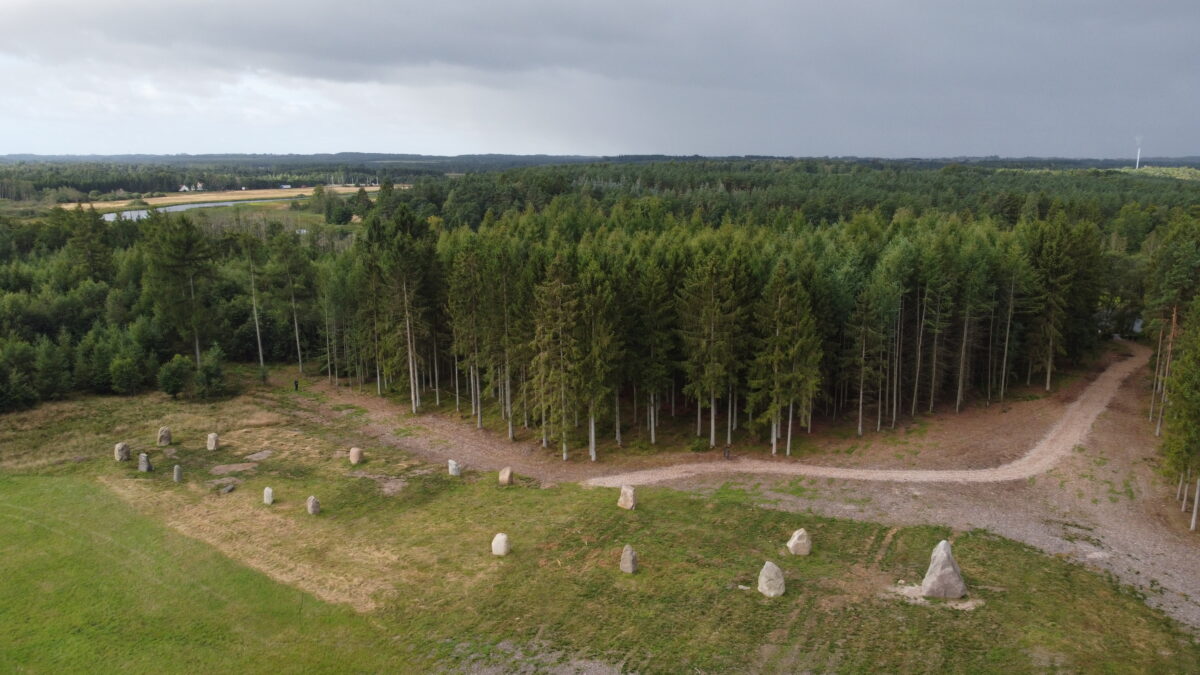
Høj Stene, foto: Claus Moestrup, Favrskov Kommune
Oplev i pramdragernes land
Tvilum Klosterkirke
Today you can only see the church. But until 1536, the church was the north wing of Denmark’s youngest Augustinian monastery. The four-sided monastery complex was founded in the 1240s. The church is a three-bay nave, the two easternmost bays were built in the 13th century and the westernmost is from the 15th century. You can see the two construction phases in the windows.
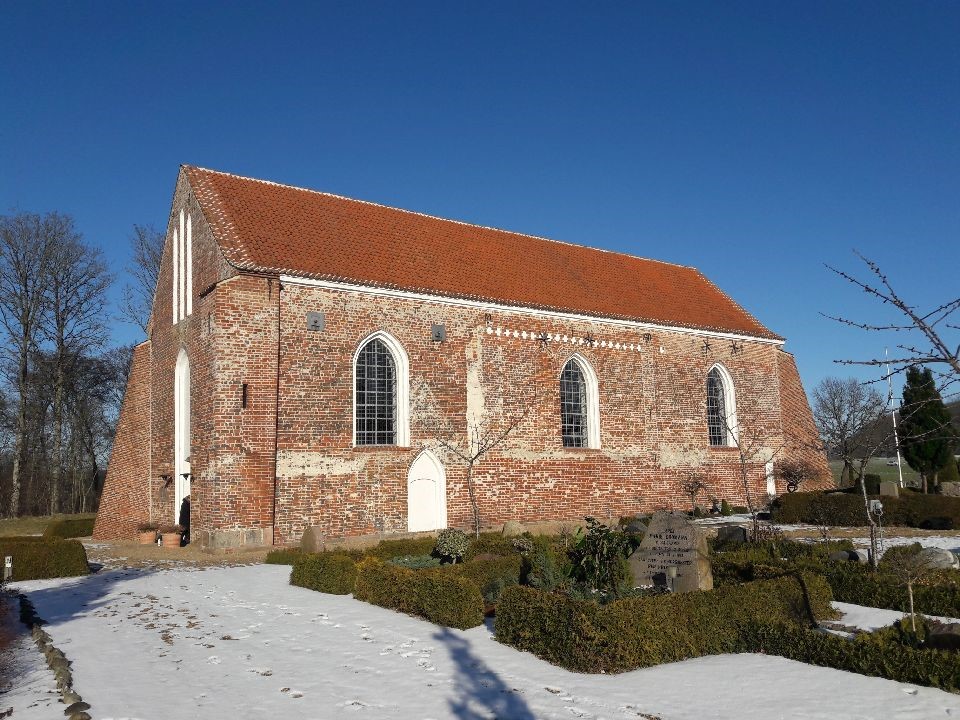
Tvilum kirke. Foto: Kristoffer Uhre Knattrup
Discover in the land of bargemen
The barge dragon taverns
The landscape along the Gudenå River between Randers and Silkeborg is characterized by the barge culture. Not least, the characteristic barge taverns that once provided shelter and food – and brandy – for the bargees are still here. Kongensbro Kro and Svostrup Kro are probably best known.
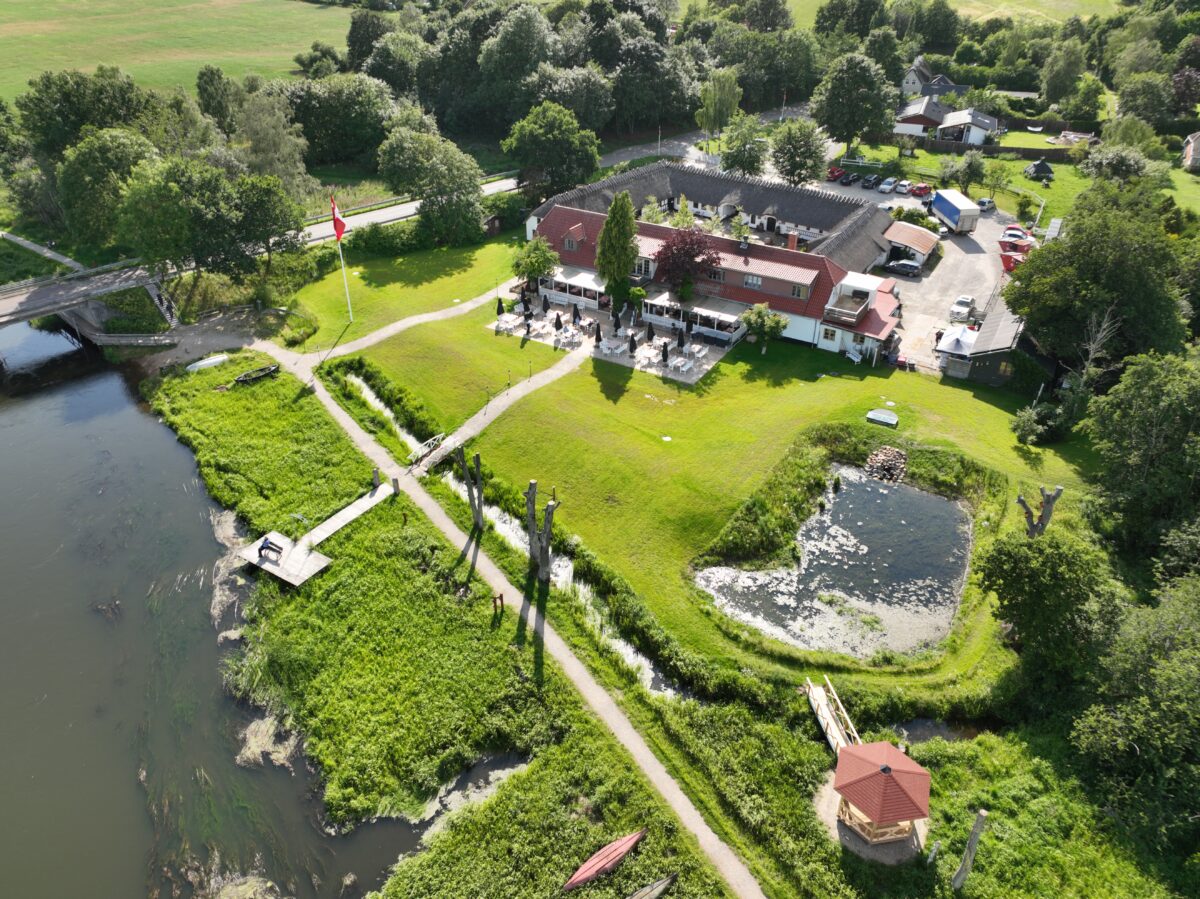
Foto: Svostrup Kro
Discover in the land of bargemen
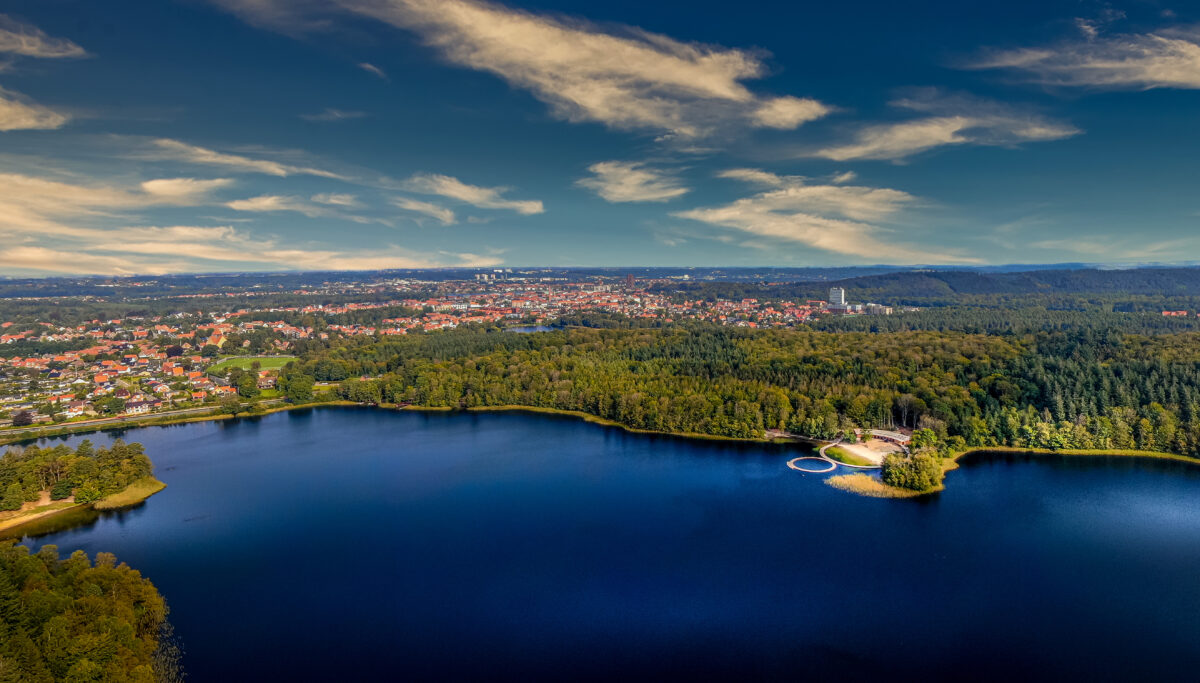
Silkeborg - Denmark's outdoor capital
Silkeborg is an ideal starting point for trips around Gudenåen and in Søhøjlandet. As well as being in the heart of nature with easy access to routes, trails and magnificent views and places to visit, there are also plenty of options for accommodation and equipment rental. In addition, there are many events – including
Combine your hiking, canoeing or cycling trip with the train
On the northernmost part of Gudenåen, the train makes it easy to manage logistics. The train runs between Randers, Langå, Ulstrup and Bjerringbro. You can easily stay in Randers, for example, and take the train to Bjerringbro, Ulstrup or Langå – rent a canoe and sail back. Or stay in Bjerringbro, walk to Ulstrup or Langå and take the train back. There are many possible combinations. Find train times on Rejseplanen.
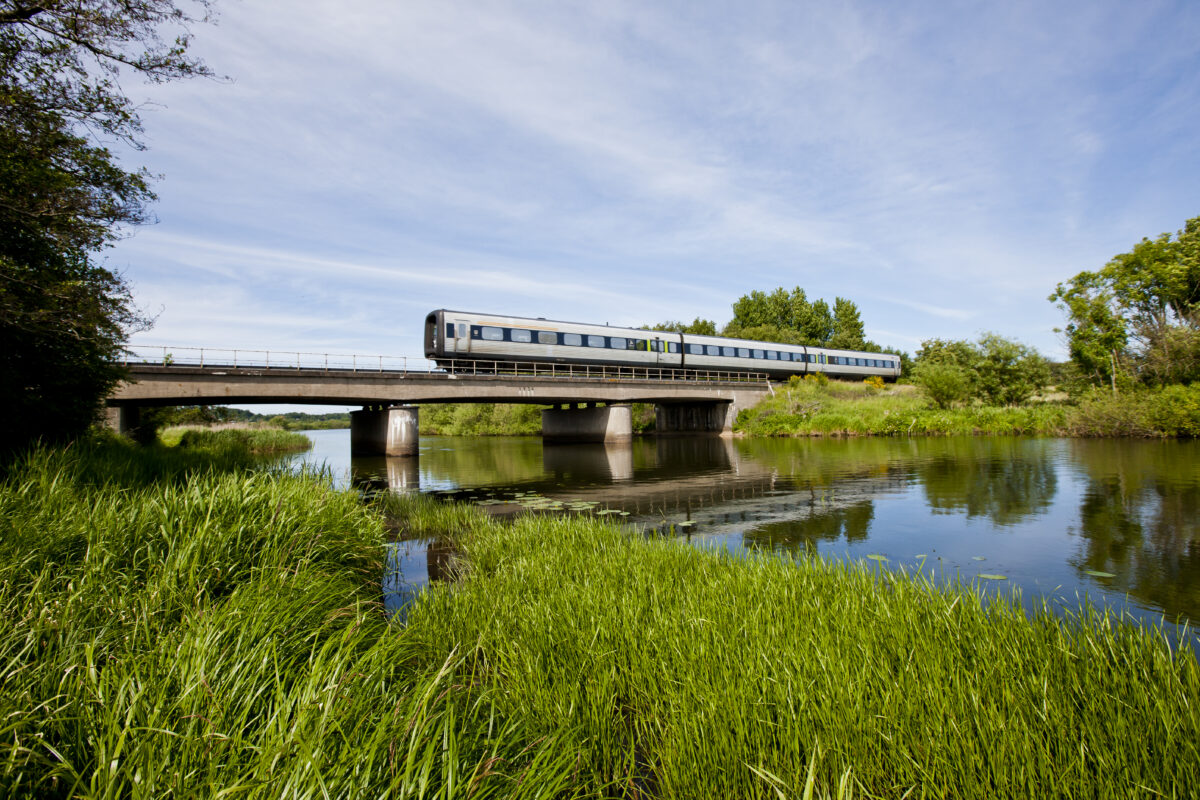
Foto: Niels Drescher
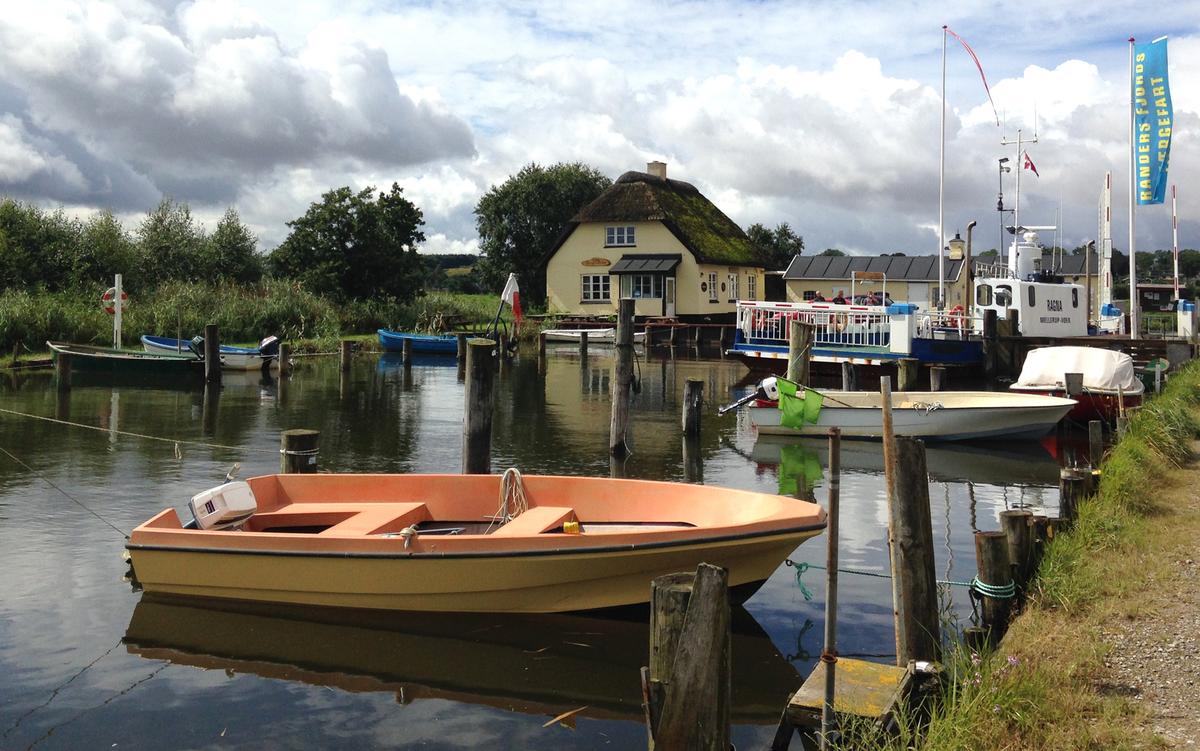
Foto: Randers Kommune