Hiking
  Sailing
  Fishing
  Cycling
  Visit attractions
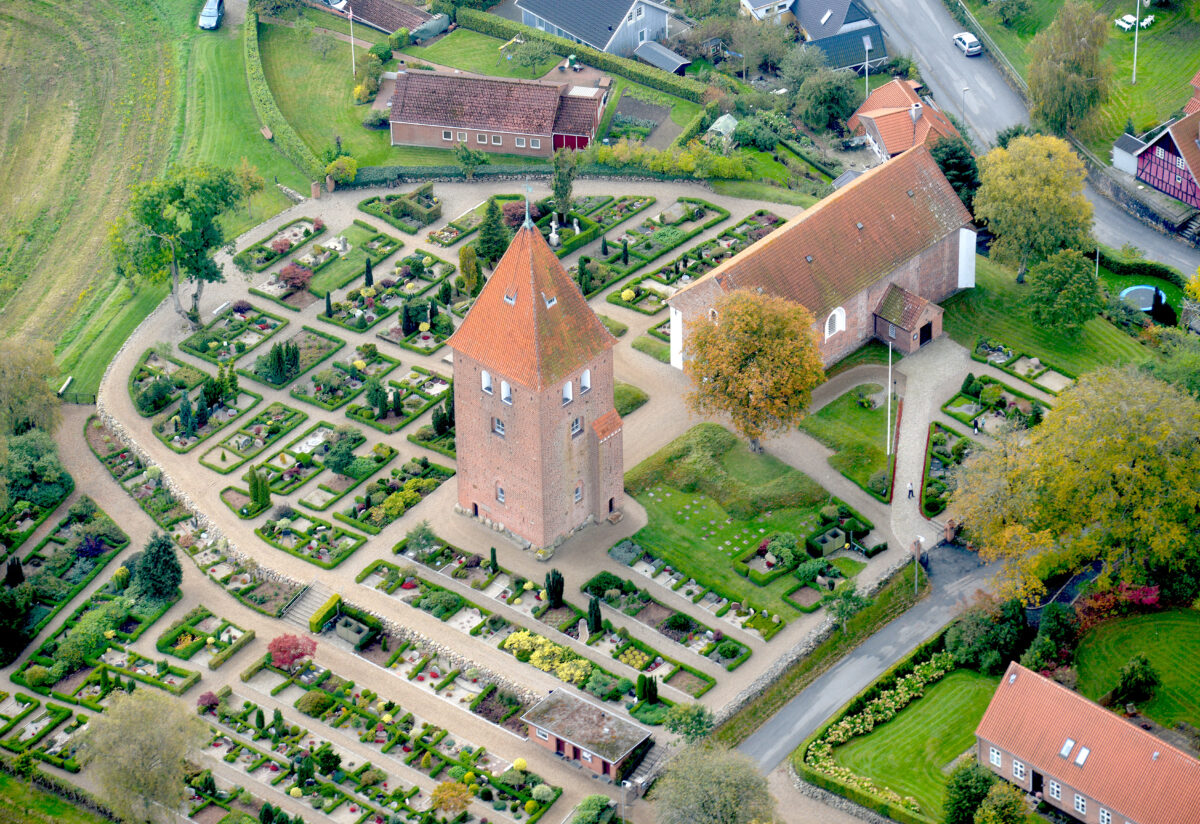
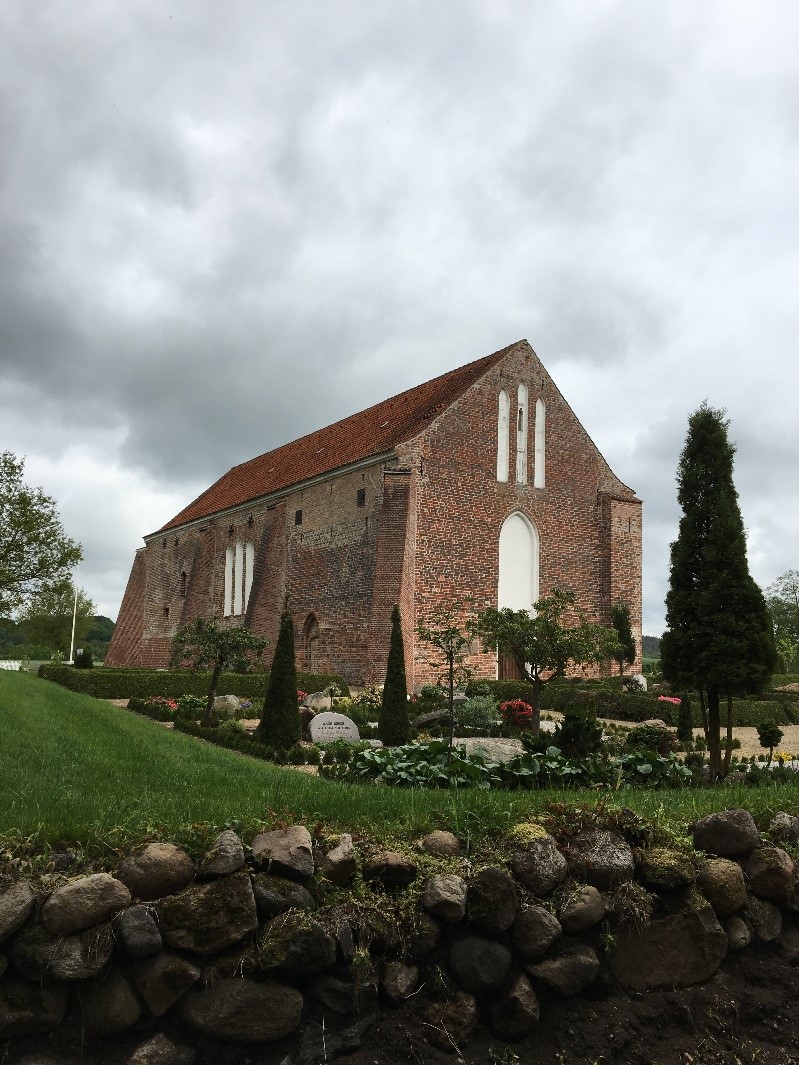
 Hammer Church is beautifully situated in open terrain down towards Gudenådalen and near the source of Gudenåen. The original church is built in freestone, which is a softer material than granite and shows that it is one of the oldest churches in Denmark.
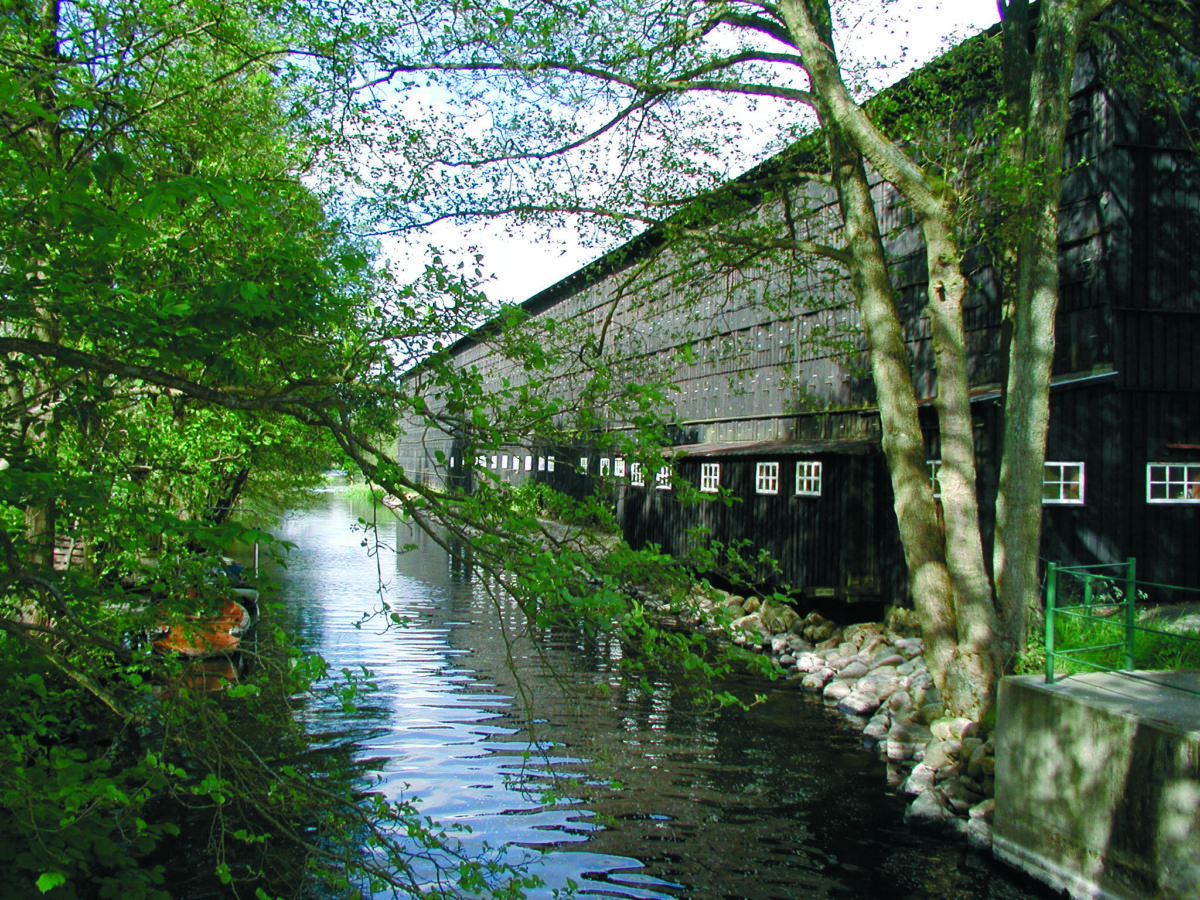
Tørreladen ved Klostermølle, foto: Bendt Nielsen
Kirker og klostre i Gudars Land
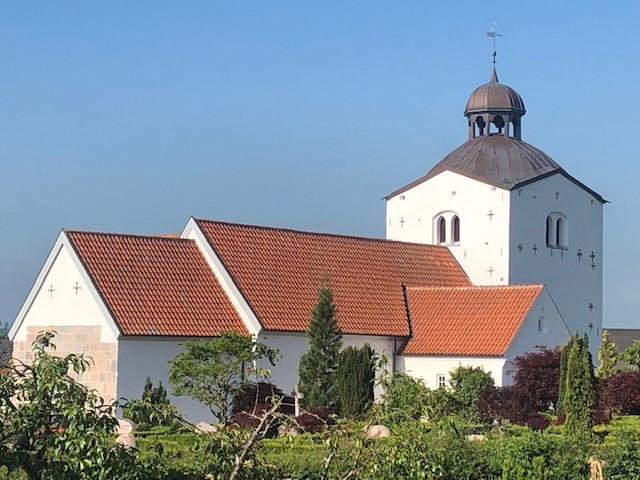
Tørring kirke
In Tørring by the river Gudenåen is an old Romanesque church from around 1200. The church is very distinctive from the outside with its wide, square tower, but also features beautiful church art from many periods and interesting frescoes.
Kirker og klostre i Gudars Land
Uldum kirke
This village church stands out from other churches in the region by being built as late as 1883 – several centuries after the many medieval churches that characterize the Danish landscape.
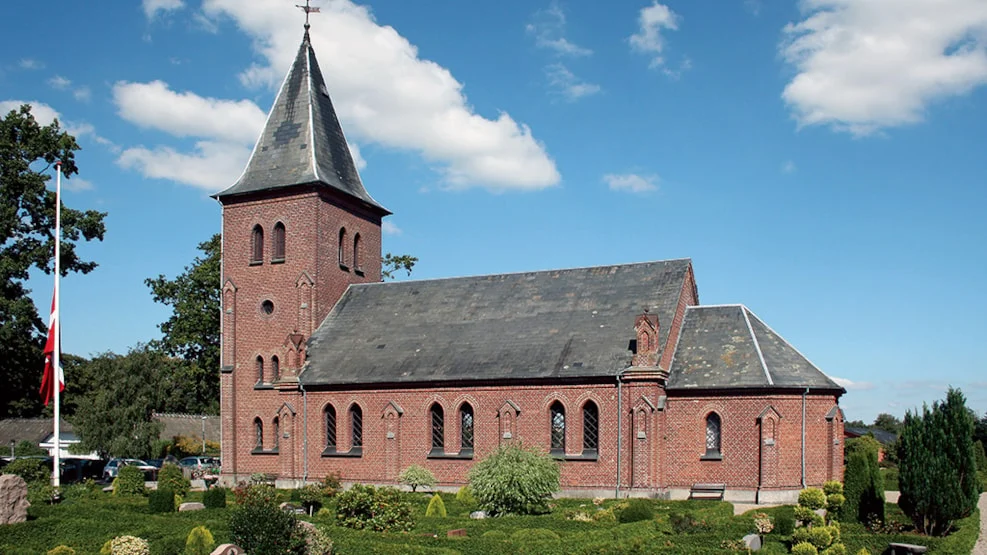
Foto: Destination Kystlandet
Kirker og klostre i Gudars Land
Åle kirke
The church was built in the year 1200. Architectural styles: Romanesque, Gothic, and Neoclassical. The cemetery is open to the public.
Frescoes in the choir and nave.
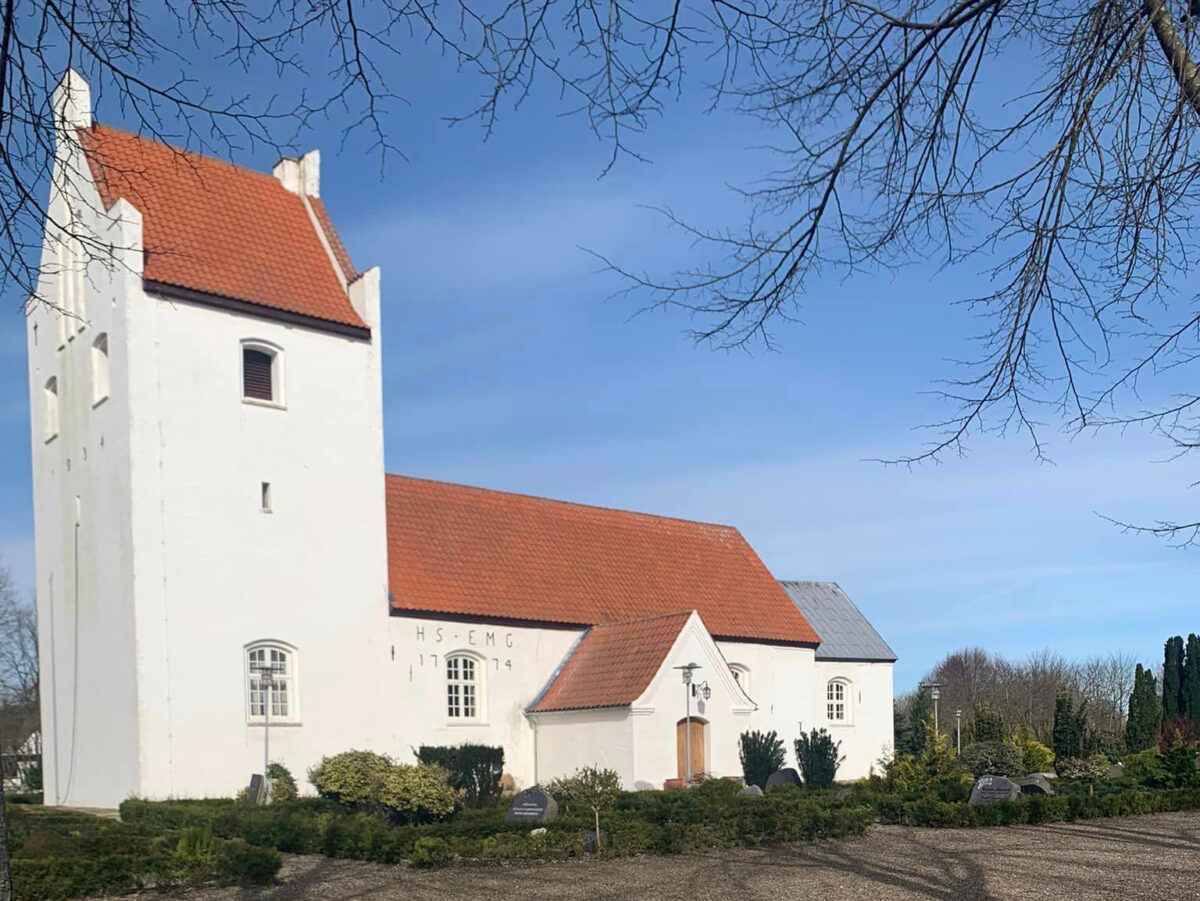
Foto: Åle kirke
Kirker og klostre i Gudars Land
Sdr Vissing Kirke
This Romanesque church from the end of the 12th century contains two very interesting rune stones from the Viking Age. One of these, Queen Tove’s rune stone, is among the most important Danish rune stones. In addition, the beautiful church space is dominated by interesting and decorative frescoes.
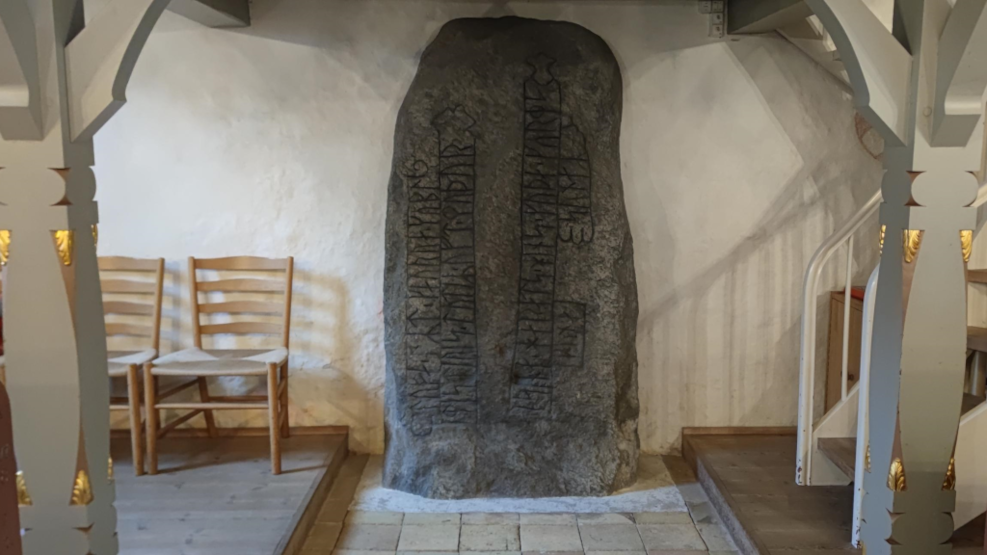
Foto: Destination Kystlandet
Kirker og klostre i Gudars Land
Vissing Kloster
The Benedictine nunnery Vissing Kloster was located close to the mouth of the river Gudenå in Mossø and the monastery of Voer. The year of foundation is unknown and the medieval history of the monastery is poorly understood.
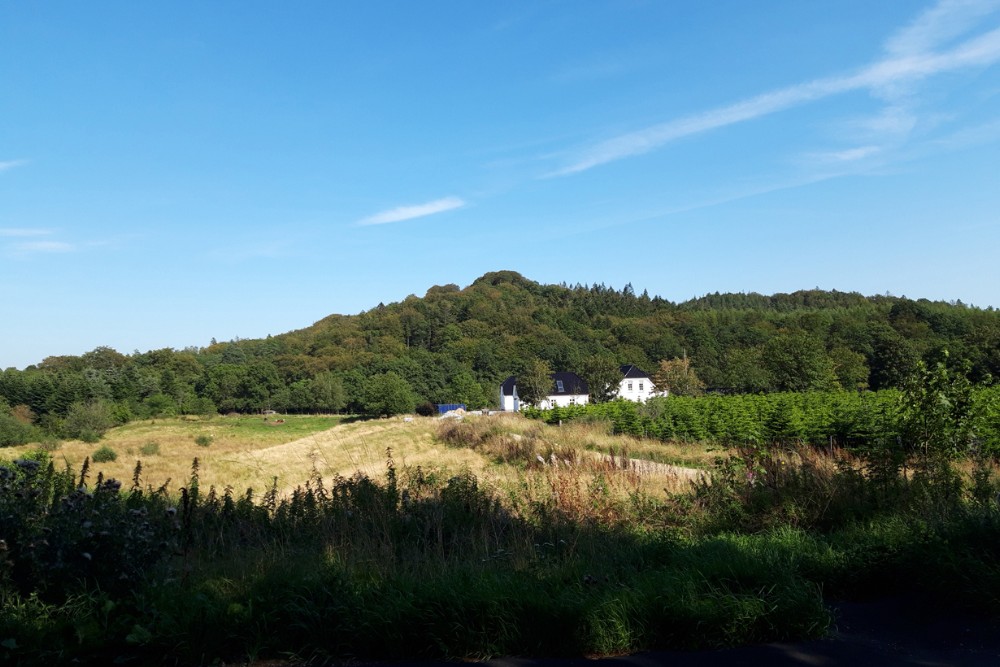
Foto: Øm Kloster Museum
Kirker og klostre i Gudars Land
Voer Kloster/Klostermølle
Where Gudenåen flows into Mossø, Benedictine monks built Voer Monastery around the 1100s. The monks built a 1.3 kilometer long dam that directs the water into a channel with a suitable drop to power a mill. Hundreds of years later it became a paper and cardboard factory, from which the beautiful long drying barn originates. Photo: Aleksander Mogensen.
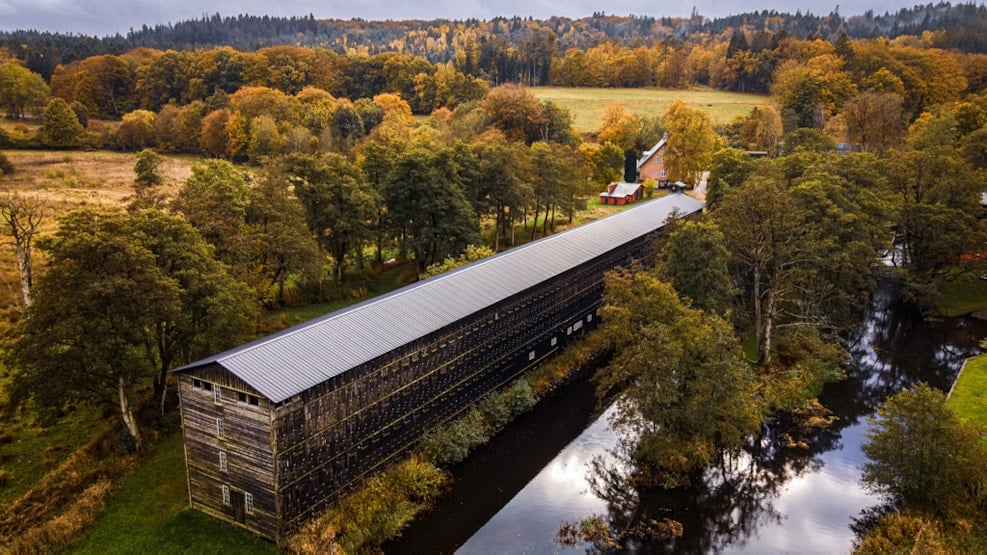
Foto: Aleksander Mogensen